Before buying smart appliances, you need to know this.
Ad
Have you ever imagined waking up and your house running on its own? Smart appliances promise more convenience and fewer daily tasks.
The idea of a connected home has stopped being a futuristic luxury and has become an accessible reality.
Ad
Even so, many people wonder whether it is truly worth the investment or just technological excitement.
If you are unsure, this article will help you understand, compare, and decide with confidence, without exaggeration and without complications.
What are Smart Appliances
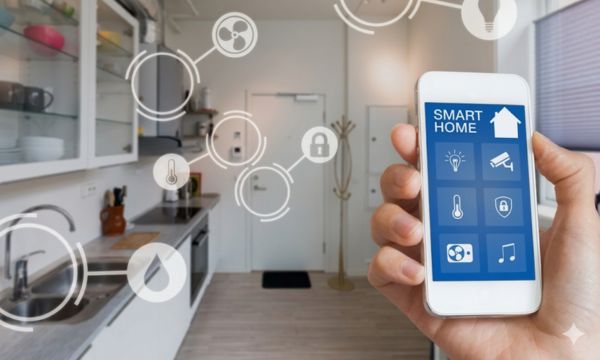
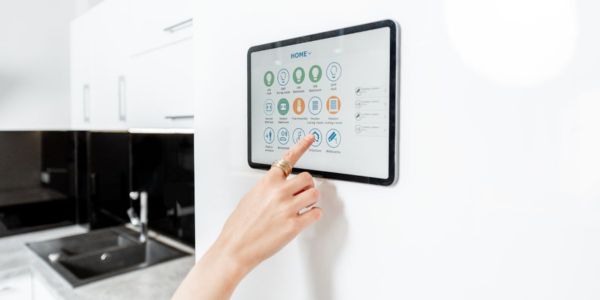
Smart appliances are devices that connect to the internet and allow remote control through an app, voice command, or programmed automation.
It is not just about turning something on and off with your phone.
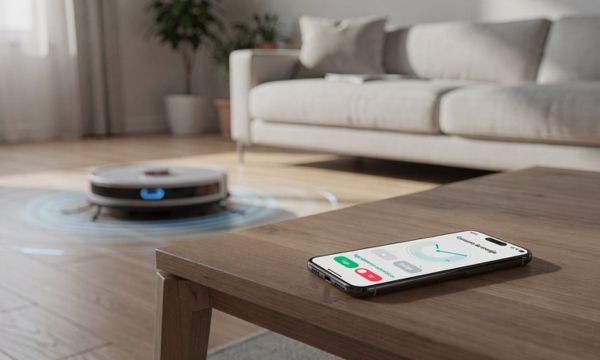
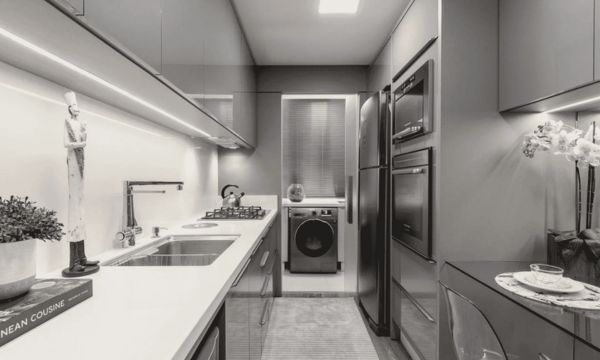
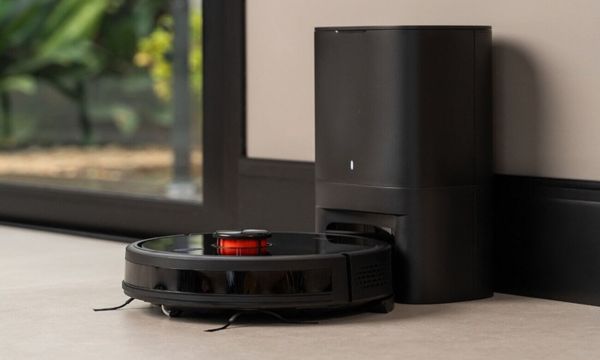
We are talking about refrigerators that monitor consumption, washing machines that notify you when the cycle ends, and robot vacuums that map your home.
The difference lies in integration and connectivity.
These devices can communicate with each other and create automatic routines, such as turning on lights when motion is detected.
In everyday life, this means less manual effort and more organization. Small automated actions save time and mental energy.
What to Evaluate Before Buying
Before investing in smart appliances, it is important to understand whether they truly make sense for your routine.
Not every “smart” function will be useful in your daily life.
The ideal approach is to think carefully and avoid impulse decisions.
Good technology is the one that solves something concrete, not the one that only looks interesting in the store display.
Ask yourself:
- Does this device solve a real problem in my routine?
- Will I use the smart features frequently?
- Is my internet stable enough?
- Does the brand offer good support and updates?
Buying with planning prevents regret and ensures the investment brings real practical benefits.
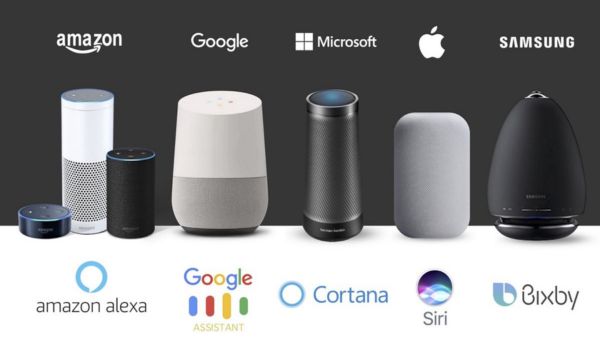
Compatibility with Alexa and Google Assistant
One of the biggest mistakes when buying smart appliances is ignoring compatibility.
If you already use Alexa or Google Assistant, you need to ensure the new device works within that ecosystem.
Integration is what turns isolated devices into a true connected home.
Being able to control multiple devices with a single voice command brings genuine convenience.
Without this compatibility, you may end up managing multiple separate apps.
This reduces the automation experience and creates extra steps in daily life.
Checking this detail before purchase is simple and prevents headaches later.
Wi-Fi, Bluetooth, or Hub: Understand the Difference
The way devices connect directly impacts the performance and stability of the system.
A proper connection prevents glitches and ensures automation works as expected.
Models with Wi-Fi connect directly to the internet and allow remote control even when you are away from home.
They are the most common, versatile, and ideal for those seeking everyday convenience.
Those that use Bluetooth work well over short distances, but depend on proximity to your phone.
Devices that require a central hub use an intermediary to organize communication between multiple devices.
If you plan to expand automation in the future, choosing the right type of connection is essential to avoid incompatibilities.
How to Calculate Cost Benefit
The price is usually higher compared to traditional models. That is why calculating the cost benefit is essential.
Analyze whether the device can generate energy savings, reduce waste, or optimize time.
These factors influence medium term return.
A smart air conditioner, for example, can reduce consumption by operating only when necessary.
A connected refrigerator can help prevent forgotten food.
When the benefit is practical and consistent, the investment tends to justify itself.
But if the extra features are not used, the price paid may not be worth it.
Data Security and Privacy
The more connected your home is, the greater the importance of digital security.
These devices collect usage data and behavioral patterns.
Therefore, it is essential to choose reliable brands and keep the system updated.
Creating strong passwords and enabling two factor authentication are simple but effective measures.
Technology should bring comfort, not vulnerability. Security is part of the purchasing decision.
Planning to Modernize your Home Gradually
You do not need to transform your entire home at once.
Modernizing with planning and strategy is much smarter than buying everything out of excitement.
The idea is to test, understand what truly makes a difference, and only then expand.
This way, you build a connected home in a sustainable and functional way.
A simple path could be:
- Start with a device that has immediate impact, such as a robot vacuum or smart bulbs.
- Evaluate how automation influences your routine for a few weeks.
- Adjust settings and explore all available features.
- Gradually expand to other smart appliances.
This approach reduces financial risks, avoids impulsive purchases, and allows you to invest only in what truly brings practical benefits.
Modernizing gradually also helps organize your budget and build a smart home that makes sense for you.
Common Mistakes When Buying Smart Appliances
Before finalizing the purchase, it is worth paying attention to some very common mistakes.
Many issues with smart appliances are not in the product itself, but in the rushed decision.
Watch out for the main errors:
- Buying just for the novelty and the “tech effect.”
- Ignoring compatibility with assistants and other devices.
- Overlooking the quality of your home Wi-Fi network.
- Underestimating the physical space needed for installation.
- Failing to evaluate energy consumption and maintenance costs.
Avoiding these points already puts you ahead of most people.
Buying with a focus on real functionality and your routine is what ensures the investment is truly worthwhile.
Is it Really Worth Investing?
The answer depends on your lifestyle. If you value convenience, automation, and remote control, smart appliances can transform your home experience.
They offer comfort, organization, and efficiency when chosen wisely.
On the other hand, if you prefer absolute simplicity and do not want to deal with apps, the benefit may not be as significant.
The key lies in balancing need and desire. When technology solves real problems and makes daily life easier, investing makes sense.
Now that you better understand how smart appliances work, you can decide with more clarity and less impulse.