A HEPA air purifier can change the quality of the air you breathe every day.
Ad
If you’ve thought about improving your home’s air, you’ve probably wondered if a HEPA air purifier really makes a difference.
The truth is this device is becoming more popular, especially among people seeking better health and daily comfort.
Ad
But is it really worth the investment, or is it just another product that seems useful at first glance?
👉 Let’s understand everything in a clear, practical, and no-complication way.
What is a HEPA Air Purifier
A HEPA air purifier is a device designed to clean the air in your environment, removing invisible particles that circulate inside your home.
It works by capturing elements such as dust, pollen, mold, pet hair, and even some microorganisms present in the air.
The biggest difference lies in the HEPA filter, considered one of the most efficient when it comes to filtering microscopic particles.
This type of filter can retain up to 99.97% of impurities, making the environment much healthier.
How the HEPA Filter Works in Practice
The way a HEPA air purifier works is simple, but extremely efficient when used correctly.
The device pulls in air, passes it through multiple filtration layers, and releases clean air back into the environment.
During this process, the HEPA filter acts as a barrier that captures extremely small particles, including those invisible to the naked eye.
It can retain particles as small as 0.3 micrometers, which includes fine dust, bacteria, and allergens.
This continuous filtration improves air quality over time, especially in closed environments.
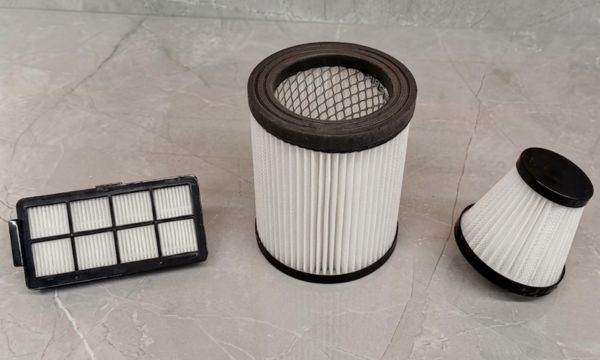
Difference between a Purifier and a Regular Vacuum Cleaner
This is a very common confusion, but understanding the difference prevents wrong expectations when using the device.
A HEPA air purifier acts directly on the air, working continuously to remove particles suspended in the environment.
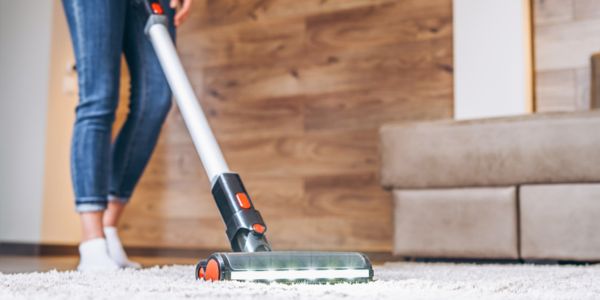
A regular vacuum cleaner, on the other hand, is designed for cleaning surfaces, such as floors, sofas, and carpets, not the air itself.
In addition, many vacuums can even lift dust during use, which temporarily affects air quality.
Even vacuums with HEPA filters can help, but they do not replace a dedicated air purifier.
Benefits for People with Allergies
If there is a group that truly feels the difference, it’s those who suffer from respiratory allergies.
A HEPA air purifier helps significantly reduce the presence of allergens in the environment, improving daily comfort.
Take a look at the main benefits:
- Reduction of pollen and dust in the air
- Decrease in pet hair particles suspended in the environment
- Relief of symptoms such as sneezing and nasal congestion
- Less respiratory irritation throughout the day
- Cleaner and healthier air to breathe
People with rhinitis, sinusitis, or asthma tend to notice greater breathing comfort with continuous use.
In addition, the environment becomes more balanced, which directly contributes to a greater sense of well-being.
Important: if symptoms persist or become intense, it is always recommended to seek medical advice for proper evaluation.
How it Improves Indoor Air Quality
Many people don’t realize this, but indoor air can be more polluted than outdoor air.
This happens because of accumulated dust, cleaning products, smoke, and limited air circulation.
The HEPA air purifier works by removing these particles, improving indoor air quality consistently.
This results in a lighter environment, with fewer odors and less respiratory discomfort in daily life.
Over time, the difference becomes noticeable, especially in more enclosed spaces.
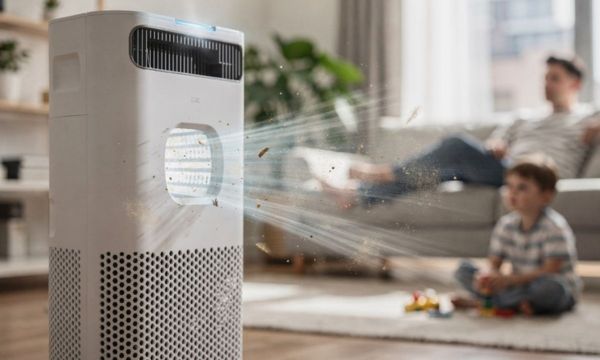
Filter Maintenance: What you Need to Know
Here’s an important point that many people overlook: device maintenance makes all the difference in performance.
HEPA filters are not washable
The HEPA filter is generally not washable, and trying to clean it can compromise its efficiency.
Regular replacement is essential
It needs to be replaced after a certain period of use, which usually ranges from three to twelve months.
This timeframe depends directly on how often you use it and the air quality in your environment.
A saturated filter loses efficiency
When the filter becomes saturated, the device loses efficiency and stops filtering the air properly.
Always follow recommendations
That’s why following the manufacturer’s guidelines is essential to maintain the proper functioning of the purifier over time.
Costs Involved and How Much you Might Spend
The cost of a HEPA air purifier can vary quite a bit, depending on the model and its features.
There are more basic options, with simple functions, and more advanced models with sensors and automatic modes.
In addition to the initial cost, it’s important to consider filter replacement and energy consumption, which is usually low.
Despite the initial investment, the return comes in the form of greater comfort and quality of life.
For many people, this benefit ends up outweighing the cost over time.
Common Mistakes when Using Air Purifiers
Even though it’s a simple device, some mistakes can completely affect the results and reduce its efficiency.
Here are the main mistakes you should avoid:
- Choosing a model unsuitable for the room size
- Not replacing the filter at the correct time
- Placing the device in locations that block airflow
- Thinking it replaces regular home cleaning
- Using the purifier inconsistently, without maintaining a usage routine
A HEPA air purifier works much better when used correctly and combined with good cleaning habits.
HEPA Air Purifier: Should you Invest or Not?
The most honest answer is: it depends on your profile, but in most cases, it’s definitely worth considering this investment.
A HEPA air purifier is not a miracle, but it is a very efficient tool for improving your environment.
It makes even more sense for those who have allergies, live in polluted areas, or are looking for more daily comfort.
It’s also a great option for people with pets or those who want to maintain a cleaner and healthier environment consistently.
In the end, it’s not just an expense, it’s truly an investment in quality of life.
And when the air improves, you feel it in practice: in your lighter breathing, your better sleep, and your overall well-being.