Choosing between the cooktop types may seem easy, but each model has its own advantages.
Ad
Induction, gas and electric models differ in cooking, cleaning, safety and energy use.
And here’s an interesting fact: with induction, the pan heats up directly without the need for a flame.
Ad
That’s why understanding these differences before buying can help you avoid regrets in the kitchen.
Cooktop Types: Understand the Main Differences
The main cooktop types are gas, electric and induction.
They all cook in different ways: gas uses flames, while electric models use heating elements.
Induction, on the other hand, uses electromagnetic fields to heat the pan directly.
To better visualize the differences, take a look:
| Type | Main characteristic | Main advantage |
|---|---|---|
| Induction | Electromagnetic field | Speed and precision |
| Gas | Direct flame | Immediate control |
| Electric | Heating element | Convenience |
The choice also depends on the infrastructure available in your kitchen.
If you don’t have a gas connection, you may prefer an electric or induction option.
Induction Cooktop: Speed, Precision and Efficiency
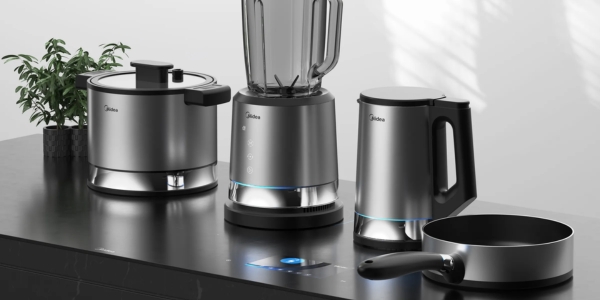
The induction cooktop stands out for its fast cooking and precise temperature control.
Its electromagnetic field heats the base of the pan directly, helping to reduce heat loss.
Many models also offer digital controls, timers and different power levels.
An important point is using induction compatible cookware.
To test it, bring a magnet close to the bottom of the pan.
If the magnet sticks, the pan is probably compatible.
Simple enough, without needing to perform a kitchen ritual.
Before buying, also check the available electrical system and the power required by the appliance.
Gas Cooktop: Power and Control while Cooking
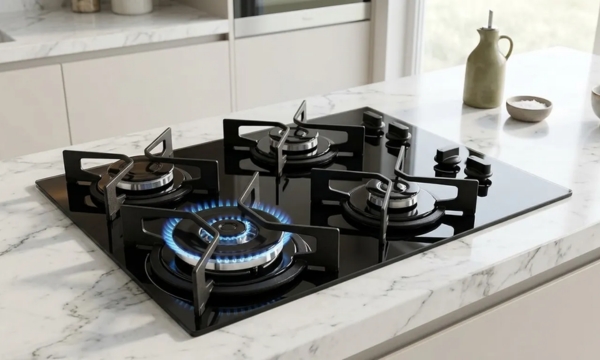
The gas cooktop remains popular among people who enjoy immediate flame control while cooking.
By turning the knob, you can adjust the heat quickly, making frequent changes easier.
Another advantage of gas cooktops is their compatibility with different cookware, without requiring specific utensils.
On the other hand, grates and burners require more attention when cleaning, as they can accumulate grease and splashes.
Before buying, consider proper ventilation and installation, especially because the appliance uses gas.
Electric Cooktop: Convenience and ease in the Kitchen
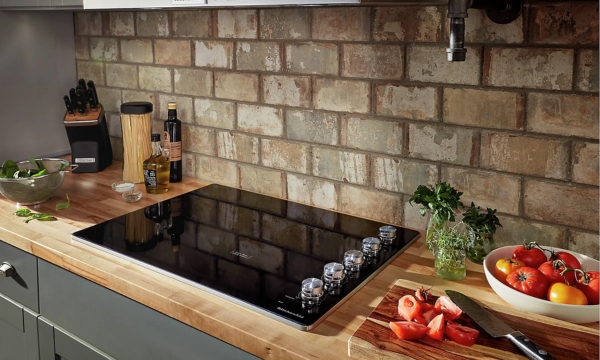
The electric cooktop is practical for those who prefer cooking without flames and everyday convenience.
It works with heating elements that transfer heat directly to the pans.
One advantage is the ease of cleaning, especially with models featuring smooth surfaces.
There are also options with different numbers of heating areas, meeting different needs.
On the other hand, temperature control may be less immediate than with gas or induction.
Since it depends entirely on electricity, check the recommended power and installation requirements before buying.
Energy Consumption: Which Type can Be more Economical?
When it comes to saving money, you shouldn’t look only at the price of the appliance.
You also need to consider energy consumption, power and local rates.
Induction Cooktop
Induction often stands out for its efficiency, since heat is produced directly in the pan.
This can reduce losses during cooking and make better use of the energy consumed.
Electric Cooktop
The electric model also depends on electricity, but consumption varies according to power and usage time.
Gas Cooktop
With gas, the cost depends mainly on the price and consumption of the fuel.
Therefore, among the cooktop types, there isn’t always one option that is more economical for every household.
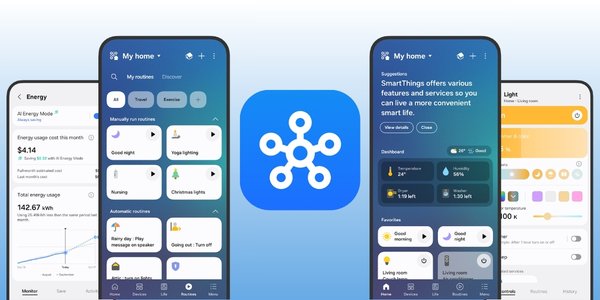
Some connected appliances also offer features for monitoring consumption.
The SmartThings app, for example, has energy monitoring features for compatible appliances.
Cleaning and Maintenance: What Changes with each Model
Cleaning can make a big difference in your routine, especially if you cook every day.
Among the cooktop types, models with smooth surfaces generally make this task much easier.
Induction cooktops usually don’t have exposed grates or burners, making cleaning more convenient.
Electric models can also offer easy to clean surfaces, depending on their construction.
Gas cooktops, on the other hand, require more attention, especially around the grates, burners and fittings.
Regardless of the model, let it cool and follow the manufacturer’s instructions.
Frequent cleaning also helps prevent grease and residue buildup.
Safety and Installation: Things to Consider before Choosing
Safety should come before price or design when choosing your cooktop.
With a gas model, proper installation and good ventilation are essential to reduce risks during use.
Induction doesn’t have an open flame, making it an interesting option for those looking for greater safety while cooking.
For electric models, check the voltage, power and installation requirements.
Before buying, measure the countertop and check the dimensions required for the installation.
This way, you can avoid installation surprises and choose among the cooktop types with greater confidence.
Which Type of Cooktop Best Fits your Routine?
There is no single perfect model for every kitchen, since each home has different needs, spaces and cooking habits.
Among the cooktop types, the best choice depends on your routine, preferences and cooking habits.
Induction may appeal to those looking for speed, precision and easy cleaning.
Gas is a good fit for those who prefer immediate flame control and the freedom to use different types of cookware.
Electric models may be interesting for those who want convenience and a flame free alternative.
Before deciding, consider:
- Gas and electricity availability: see which option works best in your kitchen.
- Frequency of use: consider how often you usually cook.
- Ease of cleaning: think about maintenance convenience.
- Cookware compatibility: confirm that your cookware works with the model you choose.
- Available countertop space: check the measurements before buying.
- Technological features: evaluate timers, controls and connectivity.
- Purchase budget: consider both the appliance and installation.
Also think about your cooking style.
Those who cook every day may value speed and control.
In the end, comparing the cooktop types becomes much easier when you think about your own routine.
More important than choosing the most modern model is finding one that makes your kitchen life easier.
After all, the best cooktop is the one that fits your way of cooking and your needs.
With the right choice, preparing your recipes can become much more practical, safe and enjoyable.