Have you ever thought about how your routine would change with a simple and well-organized healthy meal planning?
Ad
Have you ever opened the fridge expecting a magical solution… and ended up ordering delivery? Healthy meal planning prevents exactly that moment.
The truth is simple: when you organize beforehand, you make better decisions later.
Ad
Healthy meal planning is not about a strict diet, it is about making life easier.
And no, you do not need to become a fitness chef or spend hours in the kitchen.
With a few strategic steps, healthy meal planning becomes a light habit, and even freeing.

If you want to eat better, save money, and reduce the stress of “what are we having for dinner?”, stay with me until the end!
Why Planning Meals Makes a Difference
Without planning, the decision happens when you are hungry. And decisions made while hungry are rarely balanced.
Healthy meal planning helps reduce impulsive choices, improves nutritional quality, and organizes your time.
When you know what you are going to prepare, you avoid waste, shop more consciously, and reduce that buildup of forgotten food at the back of the fridge.
In addition, there is a direct impact on metabolic health.
Eating with structure improves energy, productivity, and even mood.
And let’s be honest: nothing is more satisfying than opening the fridge and knowing exactly what to make.
Step 1: Define the Weekly Family Menu
The first step in healthy meal planning is deciding the menu before going to the grocery store.
Start simple. Choose:
- 5 balanced and practical lunch options for the week
- 5 light and easy-to-prepare dinner options
- Strategic snacks to avoid impulsive nibbling
- Fruits for the week to ensure more fiber and vitamins
It does not need to be gourmet. Rice, beans, protein, and salad already work very well.
A practical tip: think about meals that share ingredients. This reduces waste and makes preparation easier.
Healthy meal planning becomes easier when you repeat basic structures and only vary the side dishes.
Step 2: Balance Nutrients in Each Meal
Here is the secret that changes everything: balance. A balanced meal usually includes:
- Protein (chicken, fish, eggs, legumes) to help maintain muscle and increase satiety
- Quality carbohydrates (brown rice, potatoes, quinoa) to provide energy
- Vegetables and greens to ensure fiber, vitamins, and minerals
- A source of healthy fat, such as olive oil or avocado
Healthy meal planning does not mean cutting out food groups, but rather organizing proportions.
Think of your plate as a visual division:
- Half vegetables
- One quarter protein
- One quarter carbohydrates
This simple structure already greatly improves nutritional quality.

Step 3: Make a Smart Grocery List
Going to the store without a list is like entering a shop hungry with your card unlocked.
Healthy meal planning requires an organized list. Divide it into categories:
- Fruits and vegetables
- Proteins
- Grains
- Dairy products
- Basic items
This avoids impulse purchases and helps maintain focus on what will actually be used during the week.
Another important tip: never shop while hungry. Your cart, and your budget, will thank you!
Step 4: Use Healthier Substitutions
You do not need to change everything at once.
Small substitutions already make a difference in healthy meal planning:
- Replace soda with lemon water to reduce added sugars.
- Swap frying for baking to decrease excessive saturated fats.
- Use plain yogurt instead of processed sauces to avoid preservatives and excess sodium.
- Choose brown rice instead of white to increase fiber and nutrient intake.
The secret is consistency, not radical changes.
The more natural your diet becomes, the easier it is to maintain healthy meal planning in the long term.
Step 5: Organize the Fridge and Food
Here comes the strategic part that many people ignore.
There is no point in planning healthy meals and leaving the fridge disorganized.
Organization makes execution easier. Here is a simple organization example:
| Foods | Where to Store | Practical Tip |
|---|---|---|
| Washed vegetables | Transparent containers at the front | Makes quick consumption easier |
| Proteins | Lower shelf | Keep separated by preparation type |
| Fruits | Drawer or visible basket | Keep in sight to remember to consume |
| Cooked grains | Labeled airtight containers | Use within 3 days |
When everything is visible and organized, you reduce the chance of waste and increase the likelihood of following the plan more consistently.
Organization makes quick decisions easier, prevents forgetting, and turns your fridge into an ally of your balanced eating routine.
Savings and Health: How to Combine Both
Many people think eating healthy is expensive. But healthy meal planning actually helps you save money.
Impulse buying costs more. Throwing food away costs more. Ordering delivery every week costs much more!
When you plan:
- You buy only what is necessary, avoiding excess and impulsive choices
- You make better use of ingredients, using what you already have before buying more
- You avoid waste by organizing quantities and planning preparations
- You reduce spending on eating out, maintaining better financial control day to day
Health and savings can go hand in hand when there is organization.
How to Maintain Planning in your Routine
Here is the decisive point: maintain consistency.
There is no use creating a healthy meal plan for one week and abandoning it the next. The secret is not intensity, but regularity.
Choose a fixed day to plan, such as Sunday evening, and set aside at least 20 minutes to organize your menu and list.
When you turn it into a habit, it stops being effort and becomes a natural part of your routine.
Start simple and realistic. Healthy meal planning needs to make your life easier, not become another heavy task on your schedule.
And if you go off plan one day, that is okay. Adjust the next day and move forward.
In the end, consistency beats perfection, and that is what truly generates results.
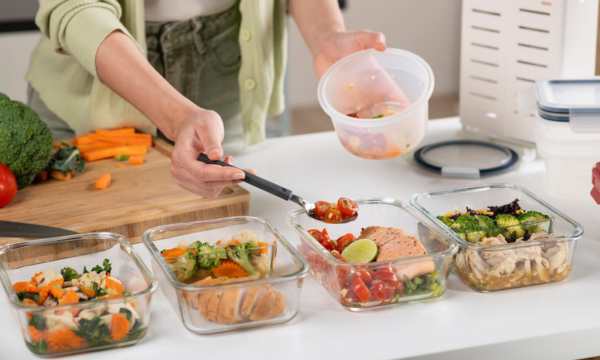
Small Choices, Big Results
Healthy meal planning is not about extreme restriction. It is about the freedom of conscious choice.
When you organize in advance, you reduce stress, improve your diet, and save money.
Start with the basics this week. Define a simple menu, make your list, and organize your fridge.
Keep exploring our content and discover how small changes can transform your routine in a practical and sustainable way.
Your health begins with the simple decisions you make today.